Scientific discovery using advanced causal AI
By analyzing the physical, biological, and economic constraints that shape how a system behaves, we can anticipate the likely effects of change and evaluate decisions with greater rigor. Our approach connects ingredients, formulations, scientific evidence, and commercial considerations to identify how specific compounds and product designs can achieve desired outcomes.
Novel compound discovery
Identifying and designing new compounds, creating opportunities for new intellectual property in therapeutics and natural compounds.
Data analysis
Turning large or complex datasets, from research to market data, into clear answers.
Every result is interpreted and challenged by our team before it informs a decision.
Learn more about our partner, Keystone Sciences (opens in a new tab)We work where the molecule meets the product.
A few of the compounds behind our work, chosen to show the range rather than the limits of it. Each pairs a source with the structure of one of its signature compounds.
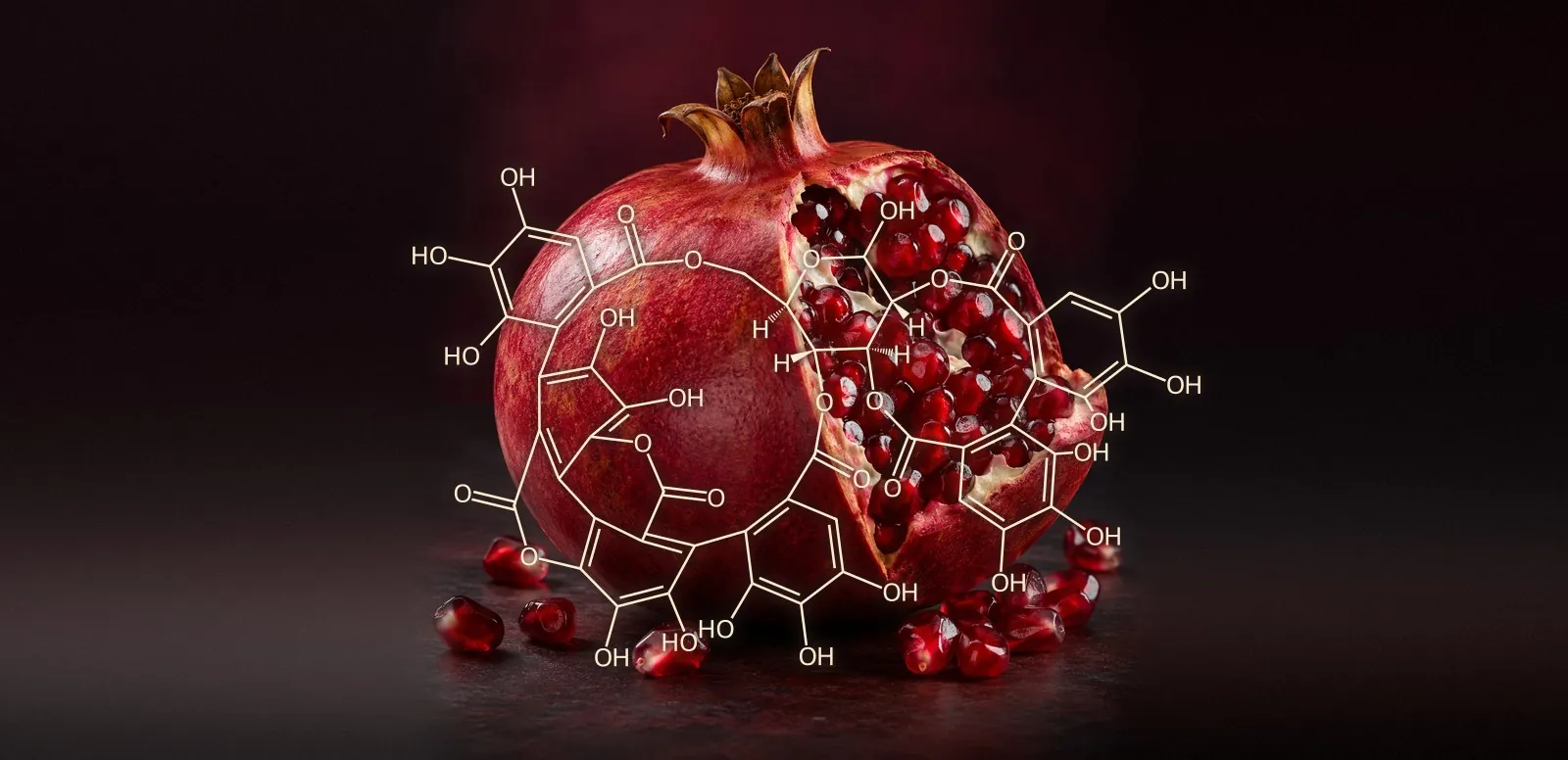
Punicalagin
A signature ellagitannin of pomegranate, built from gallagic acid and HHDP units on a glucose core.
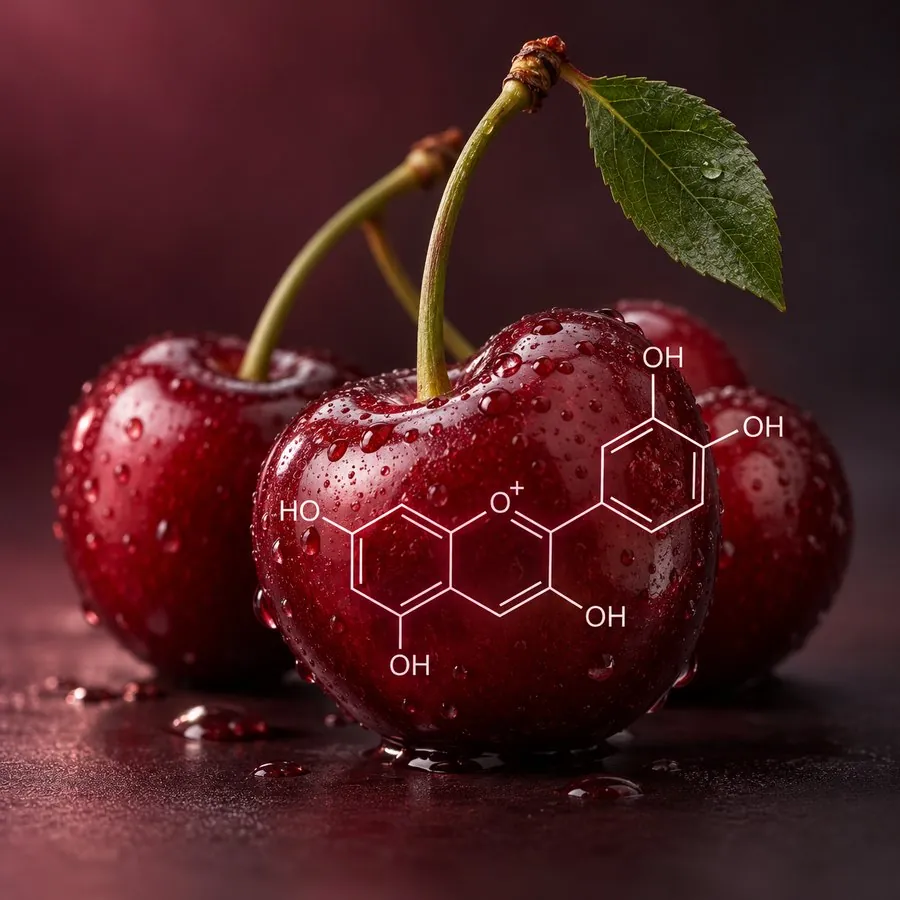
Cyanidin
The core of the anthocyanins that give tart cherries their color.
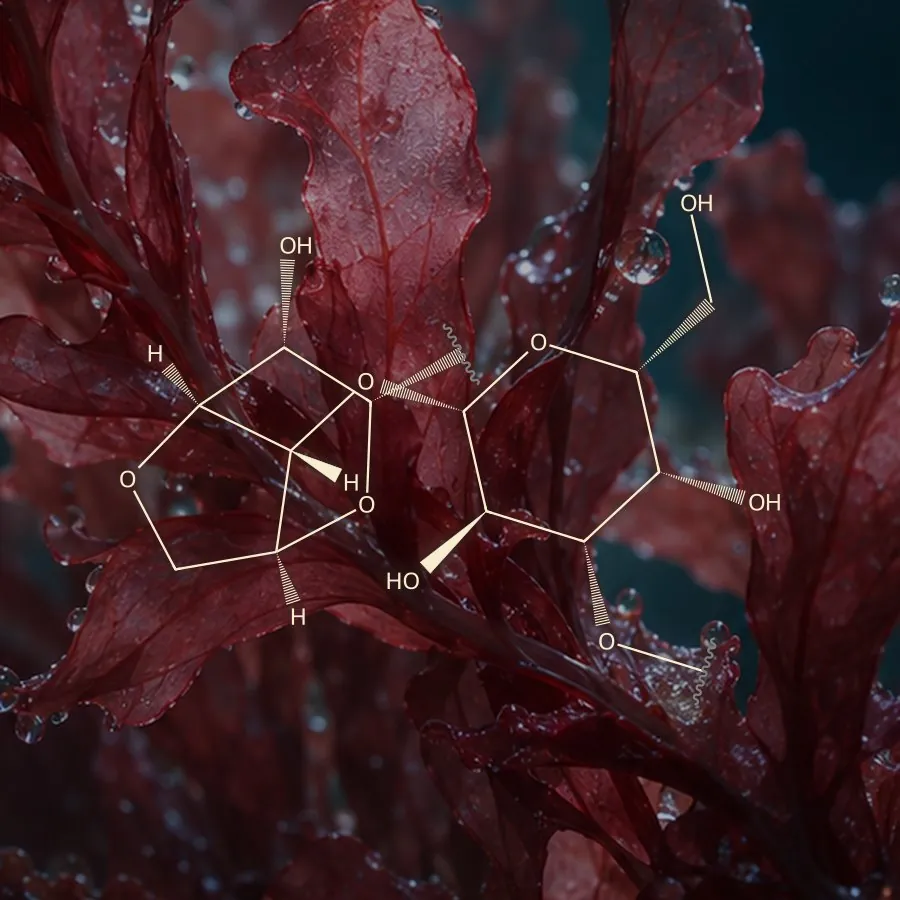
Agarose
Alternating β-D-galactose and 3,6-anhydro-α-L-galactose, the gel-forming backbone from red algae.
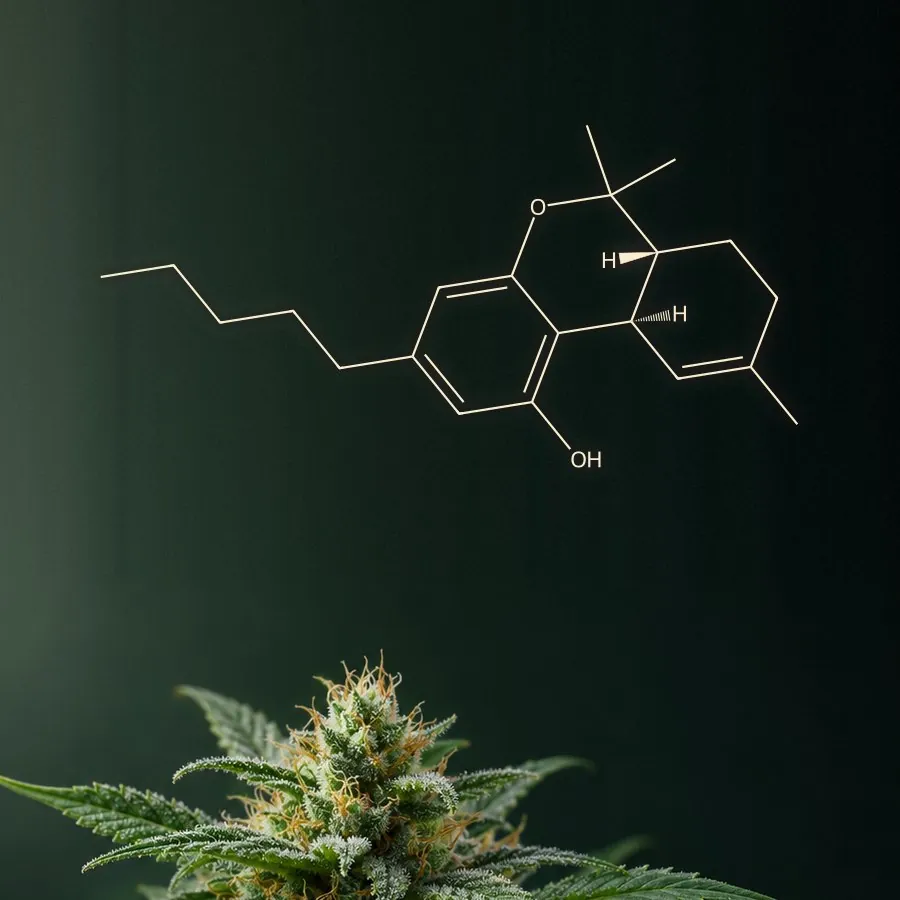
Δ⁹-THC
The principal cannabinoid of Cannabis sativa, (6aR,10aR)-tetrahydrocannabinol.
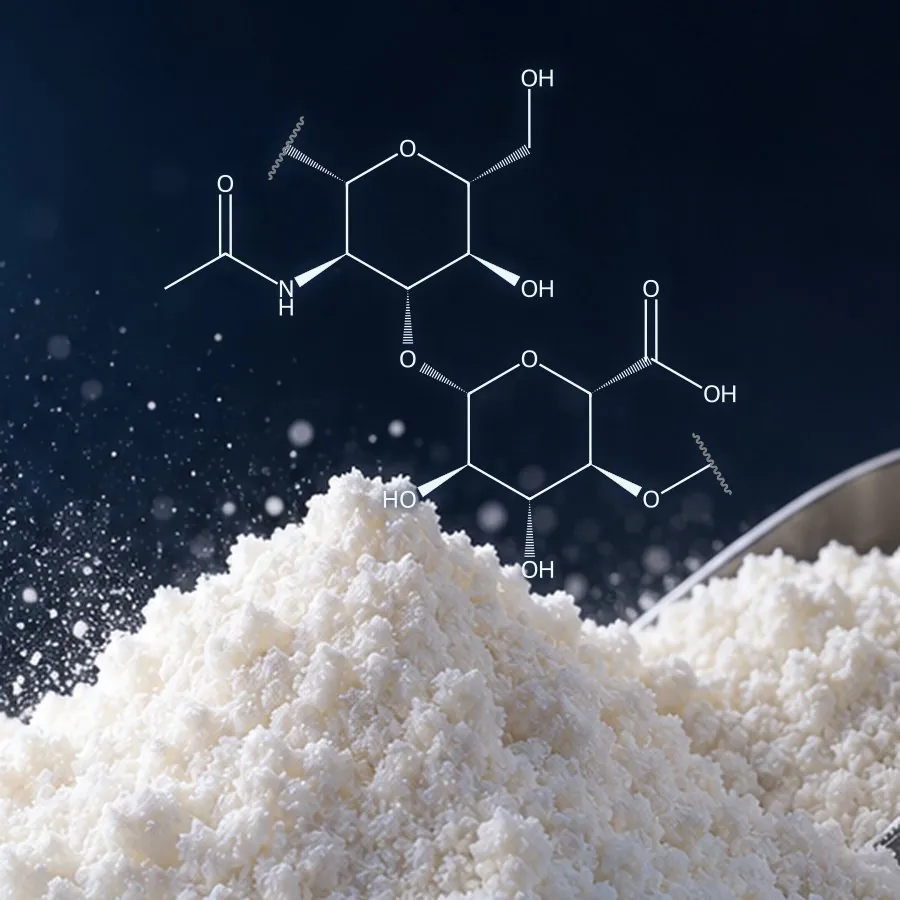
Hyaluronic acid
Repeating units of glucuronic acid and N-acetylglucosamine, used across ingredient and supplement formats.
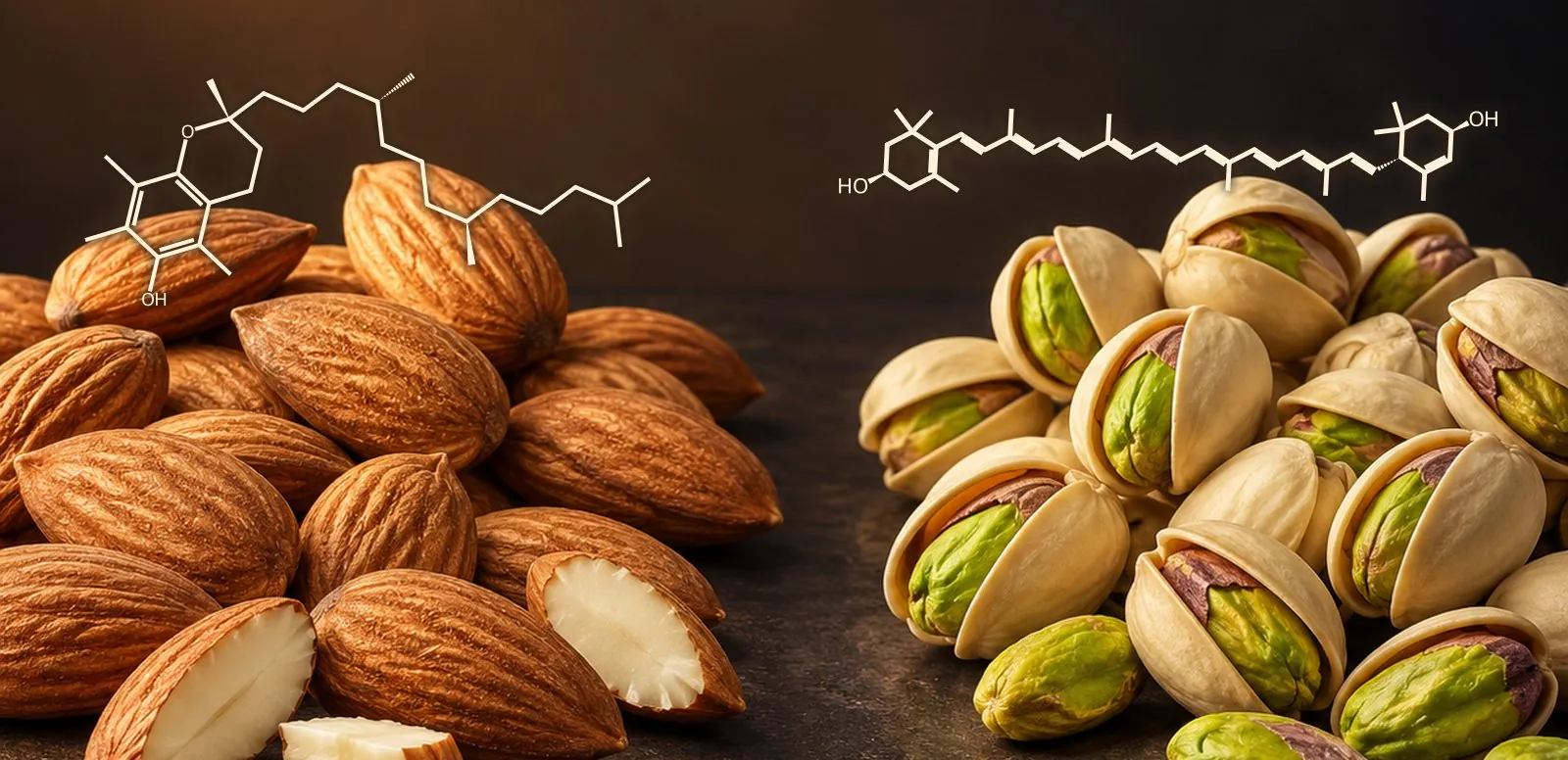
α-Tocopherol
The principal form of vitamin E, shown as the natural (2R,4′R,8′R) stereoisomer. Almonds are a notable food source.
Lutein
A hydroxylated carotenoid with a nine-double-bond polyene chain. Pistachios stand out among nuts for containing it.
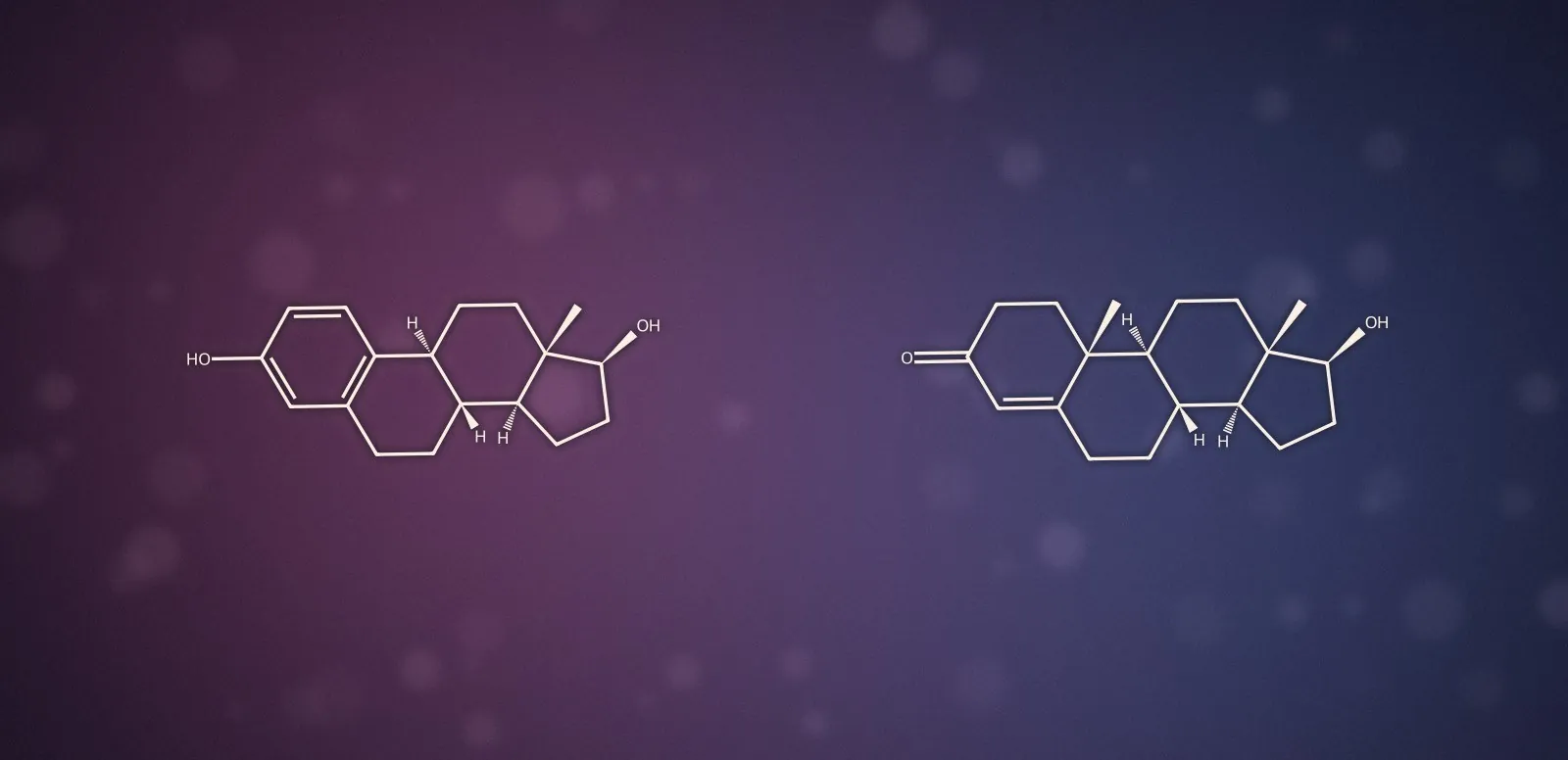
17β-Estradiol
The principal estrogen, C₁₈H₂₄O₂, with an aromatic A-ring bearing a phenolic 3-hydroxyl.
Testosterone
The principal androgen, C₁₉H₂₈O₂, with a 4-en-3-one A-ring and a C-19 methyl group.
From substrate to postbiotic.
We advise across the full biotic continuum, from the fibers and polyphenols microbes use, to live strains, to inactivated preparations.
Prebiotic fibers + polyphenols
Substrates selectively used by host microorganisms
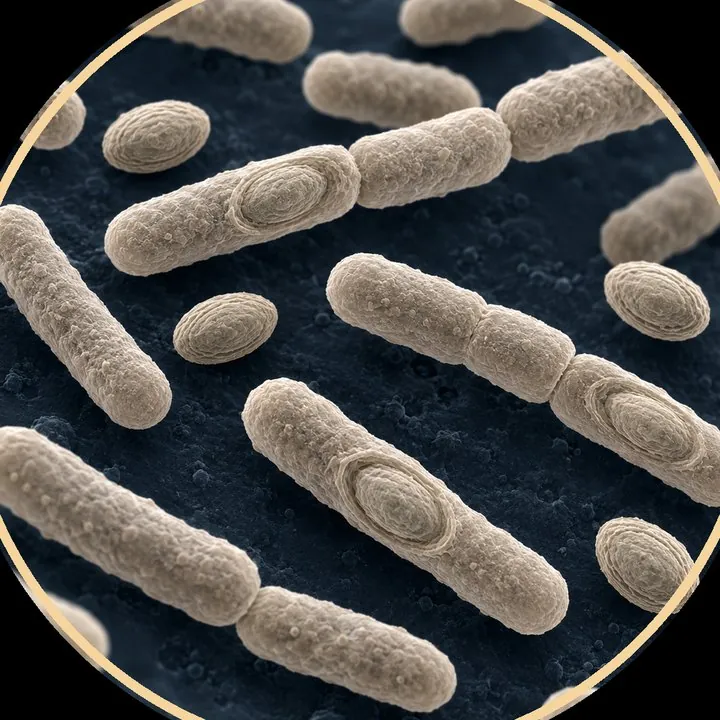
Probiotic microbes
Live microorganisms
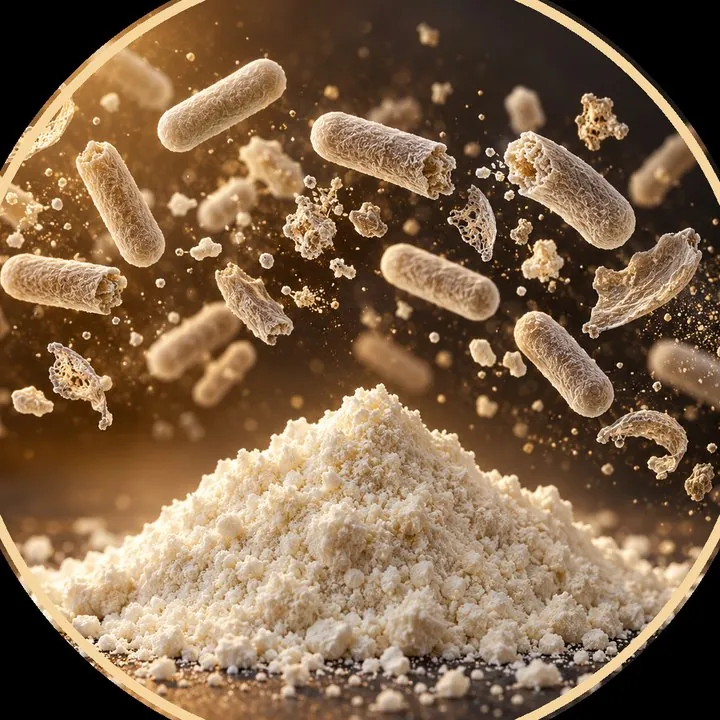
Postbiotic
Inanimate microorganisms and their components
Structures drawn from PubChem data.